Challenge your limits with epic online gaming battles today

One of the most meaningful parts of online gaming is how it brings people together through shared quests and teamwork. Players meet others who share similar humor, play harga toto style, or interest in a particular quest and stick together over many sessions. A crew might get together every Saturday evening at 7 PM to tackle a difficult mission that takes two or three hours with big laughs and teamwork throughout. These weekly meetings feel like regular social gatherings where players talk about their day, past wins, and plans for new missions. Many players say they feel closer to people they talk to every week in voice chat than to some people they see daily offline.

Chat varies from quick text bubbles during tense battle moments to long voice calls where players discuss strategy and life beyond the match. Teams often assign roles like scout, guard, or healer so each member feels they contribute in a way that suits their style and builds trust. Some groups hold small trivia nights about the world’s lore or creative contests where members share art or short stories inspired by quests they completed together. These extra events help people feel part of a community, not just temporary players in a match, and help newcomers feel welcome and linked to others.

Groups often set rules so talk stays respectful and fair, which makes players feel safe and valued when they join. Leaders remind members about how to treat each other with courtesy during both wins and losses so the space stays friendly for everyone who participates. Members praise one another for clever plays, encouragement, and patience during long sessions that demand focus and cooperation from all. These shared values help friendships grow deeper and help teams stick together through many matches and seasons of play.

The Economic Side and Future of Online Gaming

Online gaming has grown into a big part of the entertainment world and supports many jobs and events across different countries. Developers sell items like outfits, skins, and extra missions that cost from a few dollars up to more than $40, giving players fresh content to enjoy after they finish the base game. Major competitive events now offer prize pools above $400,000, attracting teams from Asia, Europe, and the Americas who meet for multi‑day battles with high stakes and cheering fans online and in arenas alike. One global tournament in late 2025 featured 140 teams that battled over several days with fans cheering every move on big screens around the world. These matches feel like real shows with commentators, rivalries, and drama that make spectators feel part of the event.

Studios hire designers, programmers, and artists from many nations to add new areas, fix problems players report, and plan future seasons that keep gaming exciting year after year. Fans attend conventions with thousands of visitors where they meet creators, favorite players, and voice actors who bring character personalities to life with energy and style. These gatherings turn online friendships into real‑world connections with pictures, stories, and laughs that make memories players carry beyond the screen. As tech evolves with new interfaces like virtual reality and motion controls, online gaming will offer even more immersive and social experiences, inviting players to connect and play in ways we have yet to imagine.

Online gaming creates shared moments of joy, challenge, and triumph that many players treasure long after the match ends. These digital worlds give people room to build friendships and share stories with others who care about play and community. The bonds formed through quests, teamwork, and laughter make each session feel part of a larger journey that many players continue returning to again and again.
How CouponsVault Makes Online Shopping More Affordable

Online shopping has become a regular habit for many people around the world. Prices change often, and finding real discounts can take time. CouponsVault is a platform that gathers coupon codes and deals in one place. It helps shoppers save money without spending hours searching across different websites.

What CouponsVault Offers to Shoppers

CouponsVault collects discount codes from many online stores and organizes them into simple categories. These categories include fashion, electronics, travel bookings, beauty products, and home essentials. Some coupons give small savings like 5 to 15 percent, while others reach up to 70 percent during seasonal promotions. Choices change often.

The platform is designed for fast use. Many users find a working coupon in less than five minutes. That makes it helpful for people who want quick savings without going through complicated steps or checking multiple websites.

How CouponsVault Helps Users Save More

Most online shoppers check coupon platforms before paying for an order. Some test more than one code to see which gives the best discount. A helpful service like can guide users toward updated deals that are not always visible in regular search results. This can reduce the total price in a simple way. Small actions often lead to real savings.

There are a few simple habits that improve results https://couponsvault.co when using coupon sites. These habits are easy to follow and can be used during every shopping session:

– Always check if the coupon is still active.
– Try different codes for the same item.
– Look for deals during holiday sales periods.

These steps do not take much time. Still, they can lead to better savings over time. Many users notice that small discounts add up when they shop regularly for everyday products.

How CouponsVault Influences Spending Habits

CouponsVault does more than provide discount codes. It also changes how people think before buying something. Searching for coupons often makes users pause and reconsider if they really need the item. This helps reduce impulsive purchases.

Over time, this habit improves money awareness. Saving $3 per order across 30 purchases in a month can lead to $90 saved, which can be used for bills, savings, or other personal needs.

Timing and Limited Offers on CouponsVault

Timing plays an important role in getting the best deals. Many discounts appear during holidays or special promotional events. These already reduced prices can become even lower when coupons are applied. Timing matters a lot in savings.

Some offers last only a short period, sometimes just 24 hours. This means users need to check often and act quickly before the deals expire and are removed from the platform.

CouponsVault gives people a simple way to reduce online spending without changing shopping habits too much. Regular use helps build better awareness of prices and smarter buying decisions. Over time, small savings can grow into meaningful support for daily expenses and long-term financial goals.

Prenatal massage care for relaxing pregnancy time

Massage therapy is a natural healing practice that focuses on improving physical health, reducing stress, and promoting overall relaxation. It has been used for thousands of years in various cultures as a way to treat pain, restore energy, and support the body’s natural ability to heal itself. In today’s busy lifestyle, massage has become an important part of wellness routines for people who want to maintain both physical comfort and mental peace.

The practice of massage involves the gentle manipulation of muscles, soft tissues, and joints using hands, fingers, and sometimes specialized tools. Through slow 롯데호텔하노이 and controlled movements, a massage therapist helps release muscle tension and improve blood circulation. When circulation improves, oxygen and nutrients are delivered more effectively throughout the body, which helps muscles recover faster and function better. This process also supports the removal of toxins from the body, contributing to a healthier internal system.

One of the most important benefits of massage therapy is stress reduction. Daily life often brings pressure from work, family responsibilities, and other commitments, which can lead to physical and mental exhaustion. Massage helps calm the nervous system, lowering stress levels and creating a deep sense of relaxation. As the body relaxes, the mind also becomes more peaceful, allowing individuals to feel refreshed and emotionally balanced after a session.

Massage therapy is also known for its positive effect on pain relief. Many people suffer from muscle stiffness, back pain, headaches, or joint discomfort caused by poor posture, injury, or long hours of physical activity. Regular massage sessions can help reduce this pain by loosening tight muscles and improving flexibility. It also helps reduce inflammation in affected areas, making movement easier and more comfortable over time.

Another key benefit of massage is improved sleep quality. When the body is relaxed and free from tension, it becomes easier to fall asleep and enjoy deeper rest. People who struggle with insomnia or irregular sleep patterns often find that massage helps regulate their sleep cycle naturally. Better sleep leads to increased energy levels, improved focus, and a stronger immune system, all of which are essential for daily life.

Massage therapy also supports emotional well-being. Human touch has a powerful impact on mental health, and massage encourages the release of hormones such as serotonin and dopamine, which are responsible for feelings of happiness and relaxation. This can help reduce symptoms of anxiety and mild depression, creating a more positive outlook on life.

In addition to these benefits, massage encourages greater body awareness. It helps individuals become more in tune with their physical condition, posture, and stress levels. This awareness often leads to healthier lifestyle choices, such as better posture, regular exercise, and improved self-care habits.

Overall, massage therapy is a simple yet highly effective way to support both the body and mind. It provides relief from physical pain, reduces stress, improves sleep, and enhances emotional balance. By making massage a regular part of life, individuals can enjoy long-term health benefits and a greater sense of well-being in their everyday routine.

Understanding the Craft of Tuareg Mat Making

The people of the Sahara have a long tradition of weaving mats by hand. These woven pieces carry daily life, stories, and deep meaning in their threads. To many, they are more than objects used on the ground or for shade. They reflect the rhythm of desert life and the movement of people across open land. Small markets and large gatherings often display colorful mats that attract both locals and visitors.

Origins and Deep Roots of Desert Weaving

Across the Sahara, families passed weaving skills from one generation to the next for centuries. Palm leaves, dried grasses, and sometimes Tuareg mat animal hair were the earliest materials used by eager young hands learning the craft. Masters of weaving would teach their children while sitting under broad shade at midday heat, and each design carried knowledge about sand paths and distant oases. Some elders recall patterns learned from their grandparents that predate formal records by at least 150 years. It is ancient craft that reflects survival and belonging on vast open terrain where few resources are near.

Everyday Use, Markets, and Trade

Mats still serve many purposes in modern life for those living in or visiting desert regions far from city centers. Many families use the for dining outdoors or gathering for tea at sunset. People also lay them out during community celebrations and small weddings held near palm groves or under tents. Some traders bring more than 40 mats to weekly markets, placing them side by side for customers to compare shapes and colors. Visitors often return home with one or two mats to remind them of warm days spent under open skies with new friends they met at market stalls.

Materials and Weaving Techniques Used

Weavers begin by sourcing raw fibers from palms near dry riverbeds and tall reeds by seasonal streams. These materials get soaked and cleaned before being split into thin strands that bend without breaking. A typical weaving session might last from early morning until just after sunset, with breaks for water and food. Many mats require over 200 individual strands woven in careful order to ensure strength and beauty. Some makers use simple needles fashioned from bone or wood, and their practiced fingers know exactly where each strand should fall.

Patterns, Meaning, and Hidden Stories

Designs painted in the mats often reflect elements of desert life that only those who live there know well. Diamond shapes can stand for hidden wells in endless dunes where water can be found after long travel. Other motifs trace the path of stars used for navigation at night when cities disappear from view and only sky remains overhead. Colors may echo the reds of sunset or the pale beige of sand at midday when shadows shrink to nothing. Some symbols follow sequences of 7 or 9, representing travel stages and times between rains that families remember long after they have passed.

Challenges and Keeping the Craft Alive

As young people seek jobs and schooling in towns, fewer remain to learn the slow steps of weaving from elders who taught for half a century or more. To help preserve these skills, some villages host small groups of 6 to 10 students who practice weaving each week with elders guiding them. Tourists who come for cultural tours sometimes sit with makers and try simple weaving steps for an hour beneath that wide desert sky. Local schools have begun adding weaving to art classes so that children keep this heritage alive alongside language and math lessons. Shared laughter and hands twisting fibers remind everyone of ties that connect people, past and present, through craft and story.

Every woven mat carries more than patterns and colors. They carry memories of people who shaped them with care, patience, and quiet pride. When these pieces travel to distant homes, they bring echoes of desert winds, nights full of stars, and the deep human desire to hold place and story in our hands and hearts.

The Role of Tuareg Mats in Daily Desert Life

The people of the Sahara have a long tradition of weaving mats by hand. These woven pieces carry daily life, stories, and deep meaning in their threads. To many, they are more than objects used on the ground or for shade. They reflect the rhythm of desert life and the movement of people across open land. Small markets and large gatherings often display colorful mats that attract both locals and visitors.

Origins and Deep Roots of Desert Weaving

Across the Sahara, families passed weaving skills from one generation to the next for centuries. Palm leaves, dried grasses, and sometimes Tuareg mat animal hair were the earliest materials used by eager young hands learning the craft. Masters of weaving would teach their children while sitting under broad shade at midday heat, and each design carried knowledge about sand paths and distant oases. Some elders recall patterns learned from their grandparents that predate formal records by at least 150 years. It is ancient craft that reflects survival and belonging on vast open terrain where few resources are near.

Everyday Use, Markets, and Trade

Mats still serve many purposes in modern life for those living in or visiting desert regions far from city centers. Many families use the for dining outdoors or gathering for tea at sunset. People also lay them out during community celebrations and small weddings held near palm groves or under tents. Some traders bring more than 40 mats to weekly markets, placing them side by side for customers to compare shapes and colors. Visitors often return home with one or two mats to remind them of warm days spent under open skies with new friends they met at market stalls.

Materials and Weaving Techniques Used

Weavers begin by sourcing raw fibers from palms near dry riverbeds and tall reeds by seasonal streams. These materials get soaked and cleaned before being split into thin strands that bend without breaking. A typical weaving session might last from early morning until just after sunset, with breaks for water and food. Many mats require over 200 individual strands woven in careful order to ensure strength and beauty. Some makers use simple needles fashioned from bone or wood, and their practiced fingers know exactly where each strand should fall.

Patterns, Meaning, and Hidden Stories

Designs painted in the mats often reflect elements of desert life that only those who live there know well. Diamond shapes can stand for hidden wells in endless dunes where water can be found after long travel. Other motifs trace the path of stars used for navigation at night when cities disappear from view and only sky remains overhead. Colors may echo the reds of sunset or the pale beige of sand at midday when shadows shrink to nothing. Some symbols follow sequences of 7 or 9, representing travel stages and times between rains that families remember long after they have passed.

Challenges and Keeping the Craft Alive

As young people seek jobs and schooling in towns, fewer remain to learn the slow steps of weaving from elders who taught for half a century or more. To help preserve these skills, some villages host small groups of 6 to 10 students who practice weaving each week with elders guiding them. Tourists who come for cultural tours sometimes sit with makers and try simple weaving steps for an hour beneath that wide desert sky. Local schools have begun adding weaving to art classes so that children keep this heritage alive alongside language and math lessons. Shared laughter and hands twisting fibers remind everyone of ties that connect people, past and present, through craft and story.

Every woven mat carries more than patterns and colors. They carry memories of people who shaped them with care, patience, and quiet pride. When these pieces travel to distant homes, they bring echoes of desert winds, nights full of stars, and the deep human desire to hold place and story in our hands and hearts.

How Whipped Cream Chargers Work and Why They Matter in the Kitchen

Whipped cream chargers are small metal cartridges filled with gas that allow cream to turn into a light, fluffy topping in seconds. People use them in home kitchens, coffee shops, and bakery counters to top desserts and drinks. At first glance, these tools may seem technical, yet their use is simple once you understand the basics. Cream chargers have changed how many cooks prepare whipped cream. This article breaks down what they are, where to get them, and how to work with them safely and creatively.

What Is Inside a Whipped Cream Charger?

A whipped cream charger is a compact metal cylinder usually about 6–8 cm long. Inside this cartridge is nitrous oxide gas under high pressure. The gas releases when the charger is pierced in a dispenser, which forces the nitrous oxide into cold heavy cream inside the chamber. As the gas mixes with the liquid, tiny air pockets form and make the cream expand and become airy. Most chargers hold around 8 grams of gas, which is enough for 200–300 milliliters of cream.

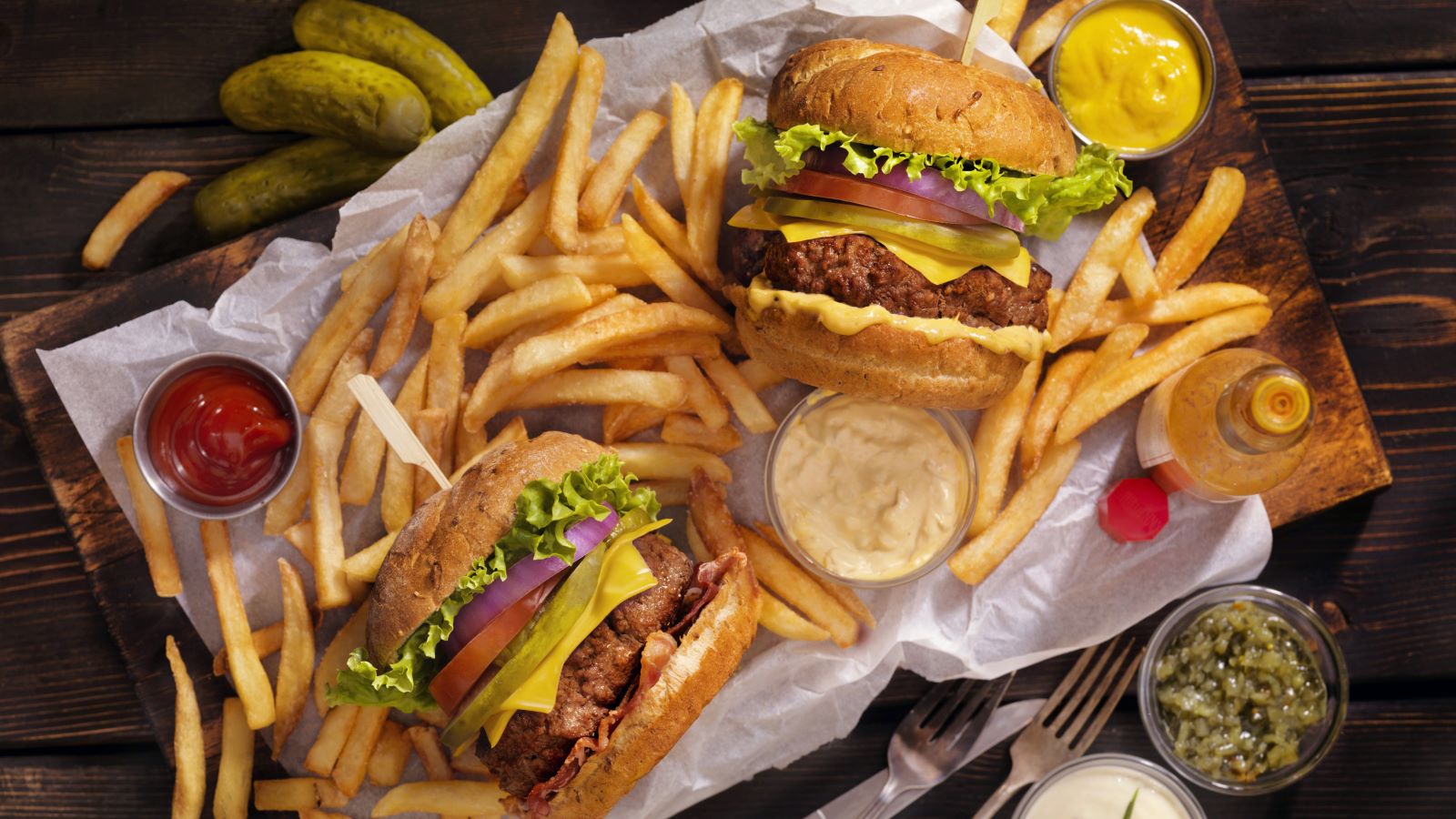
4 Tips for Eating Healthy at Fast Food Restaurants - Health News Hub

Chargers are made to fit specific dispensers and may vary slightly in shape and thickness. Quality differs between brands and affects how well the gas is released into the cream. Cream with at least 30 percent fat content gives the best texture when charged. Some users add sugar or vanilla before charging so the flavor mixes in evenly as the gas dissolves into the liquid.

Where You Can Buy Chargers and Related Gear

You can find whipped cream chargers at kitchen supply shops and big cooking stores near the baking tools section. Many cooks prefer to shop online because it offers more choice and detailed product information before they buy. A reliable place to check for different types of chargers and dispensers is like this 0.95 litre cream charger tank where you can browse multiple brands and sizes to fit your needs. Whether you want a box of 10, 24, or even 50 chargers, these sites list what each set contains and what tools work with them.

Local grocery stores sometimes stock chargers in their baking aisle, especially near peak holiday seasons when dessert making increases. Some sellers include cleaning brushes and extra nozzles with charger packs as a bonus. Buying a starter kit with a dispenser and chargers together can be less expensive than buying pieces separately. Always make sure the chargers you pick fit your dispenser head to avoid leaks or poor performance.

Step-by-Step Guide on Using a Charger

Start by chilling the cream along with your dispenser in the fridge for at least 30 minutes. Cold cream traps gas better and gives a firmer, smoother texture. Pour the cold heavy cream into the dispenser up to the fill line, and add a sweetener if you like. Attach the charger to the dispenser head and twist until you hear the gas release into the cream. Shake the dispenser about 8–10 times to mix the gas and cream well.

Hold the dispenser upright when you press the lever to release whipped cream on a plate or dessert. Use steady pressure for better control over how much you dispense. Washing the parts soon after use keeps the tool clean and prevents blockages. If the dispenser hisses after charging, check that the seal is tight before pressing again. With practice, you will get consistent results each time.

Safety Tips and Storage Advice

Because these chargers contain gas under pressure, they must be handled safely to avoid accidents. Store unused chargers in a cool, dry place away from direct sunlight or heat sources that might increase internal pressure. Never try to open the metal cartridge by hand, and do not breathe directly from the charger. Inhaling nitrous oxide can cause dizziness or other harmful effects. Always follow the instructions that come with both the chargers and the dispenser you use.

Keep chargers away from children and pets at all times. After use, let cartridges cool completely and then dispose of them according to your local recycling rules if they accept metal canisters. Leaving empty chargers in drawers or countertops can be dangerous if someone steps on or squeezes them. A simple safety habit is to collect used chargers in a box until you can take them to a recycling station.

Whipped cream chargers are small tools that make dessert topping fast and consistent while freeing you from long manual whipping. They open up creative possibilities for foamy desserts, drinks, and light textures that ordinary whipping cannot easily achieve. Always use them with care, follow safe storage practices, and match the cartridges to your dispenser. With careful handling, these chargers can become a reliable part of your kitchen routine for many sweet treats and culinary ideas.

The Sweet World of Jam: Flavors, History, and Uses

Jam is one of the simplest ways to enjoy fruit all year round. It transforms fresh ingredients into a spread that adds flavor and color to everyday meals. Many cultures have developed unique jam recipes over centuries. Some use local fruits while others include exotic ingredients. The process requires patience, attention, and a sense of creativity to achieve the perfect texture and taste.

The Origins and History of Jam

The practice of preserving fruit with sugar dates back hundreds of years. Early civilizations used honey or natural sugars to store fruits for winter months. During the Middle Ages, jam became more widespread in Europe as sugar became affordable. People often added spices to enhance flavor and prolong shelf life. Making jam was also a social activity, with families and neighbors gathering to prepare large batches together.

Royal households enjoyed jam made from imported fruits like oranges, lemons, and berries. Ordinary families used locally available fruits, resulting in simpler flavors. Recipes were often passed down through generations, and each household had its own version. By the 18th century, jam had become a common kitchen staple. It was not just food but also a way to celebrate harvests and community.

The Process of Making Jam

Making jam starts with selecting ripe fruit that is at its peak of flavor. The fruit is washed, peeled if necessary, and cut into pieces. Sugar is added in proportion to the fruit, usually around one part sugar to two parts fruit, depending on sweetness. Pectin, a natural thickener, is sometimes included to ensure the jam sets properly. The mixture is cooked over medium heat while stirring constantly to prevent burning.

Temperature is critical when cooking jam. Too much heat can scorch the fruit, while too little prevents thickening. Many home cooks use a candy https://welovejam.co.za/ thermometer to reach 220 degrees Fahrenheit, the ideal setting for most jams. For people seeking high-quality ingredients and guidance provides fresh fruit, pectin, and detailed recipes. Their resources make it easier to prepare jam at home without worrying about mistakes. Using good ingredients and following instructions carefully ensures a flavorful, well-textured result.

Once cooked, the jam is poured into sterilized jars and sealed. Proper sealing allows it to stay fresh for several months when stored in a cool, dark place. Stirring is required throughout the cooking process, which can take 25 to 45 minutes depending on the fruit. The final texture should be thick but spreadable, with a natural shine and rich color. Every batch is slightly different, giving homemade jam its charm.

Varieties and Flavors of Jam

Jam comes in many flavors and types. Classic options include strawberry, raspberry, and apricot. More unusual fruits like mango, fig, and blueberry are also used. Some jams are smooth, while others contain chunks of fruit for extra texture. Sugar-free and low-sugar jams are becoming more popular for health-conscious people. Each type requires specific cooking methods and ratios to produce the best results.

Fruits can be blended to create unique combinations. Peach and raspberry together create a sweet-tart flavor that is widely loved. Citrus fruits, like oranges and lemons, are used for marmalade, which often includes the peel for added texture. Herbs or spices such as cinnamon, ginger, or vanilla can be added to give complexity. Each addition enhances the aroma and taste, making every jar distinct and flavorful.

Preservation methods also affect the jam. Freezer jam uses raw fruit and sugar for a quick, fresh spread. Traditional jam is cooked over heat and sometimes combined with pectin to achieve a firm set. Artisanal jams may be slowly cooked in copper pots for several hours to bring out deeper flavors. Each method creates subtle differences in texture, taste, and appearance. Creative experimentation allows people to craft jams that suit their preferences perfectly.

Uses and Benefits of Jam

Jam is versatile in the kitchen. It is often spread on toast or bread, but can also be used in yogurt, desserts, or sauces. Savory dishes sometimes incorporate jam as a glaze for meats or an ingredient in marinades. Natural fruit jam contains vitamins and antioxidants, especially when homemade with minimal sugar. It is a healthier alternative to many processed spreads while still being delicious.

Jam enhances many recipes with flavor and color. Some people use it in muffins, pastries, or tarts. It pairs well with cheeses, pancakes, waffles, and even cocktails. Warming jam slightly before serving can intensify its aroma and taste. It can also be used as a gift in decorative jars, offering a personal and thoughtful present. Creative presentation makes the experience of jam even more enjoyable.

Cultural traditions often surround jam preparation. In some countries, the first batch of the season is shared with neighbors or given as a gift. Local festivals celebrate fruits and preserves, with competitions for the best jam recipes. These events highlight creativity and skill in preserving fruit. Jam is more than food; it is a reflection of community and heritage, connecting generations and cultures through taste and tradition.

Storage and Serving Tips

Storing jam correctly keeps it fresh and safe to eat. Unopened jars should be kept in a cool, dark place, while opened jars need refrigeration. Freezing is another option for larger batches, maintaining flavor and texture if done properly. Labels with preparation dates help track freshness. Using clean utensils each time prevents contamination and prolongs shelf life.

Serving temperature affects flavor. Some jams taste better when slightly warmed, which brings out aroma. Others are ideal when chilled, especially with creamy accompaniments like yogurt or soft cheeses. Jam can also be used creatively outside the kitchen, such as in homemade sugar scrubs or craft projects. These uses highlight the versatility and appeal of jam beyond just food. Small details in storage and serving make every experience more enjoyable.

Jam combines history, flavor, and practicality in one simple product. It allows people to enjoy seasonal fruits year-round while connecting to cultural traditions. Each jar tells a story through taste, texture, and aroma. Homemade or store-bought, jam brings sweetness to daily meals and celebrations alike. Its enduring popularity shows that something so simple can remain meaningful across generations.

Enjoying jam is a mix of taste, creativity, and tradition. Each spoonful can evoke memories or inspire new ideas in the kitchen. Careful preparation and attention to ingredients ensure the spread is flavorful and satisfying. Jam continues to be a beloved food that adds joy, color, and sweetness to many aspects of life.

The Growing Role of RFID Technology in Animal Tracking and Welfare

Animal identification has changed greatly with the introduction of digital systems. Farmers, pet owners, and researchers now rely on faster and more accurate tools. RFID technology is one of the most useful solutions for tracking animals in different environments. Small tags with embedded chips allow instant identification without physical contact. This method has improved efficiency and reduced manual work.

Understanding the Basics of RFID in Animal Tracking

RFID stands for Radio Frequency Identification, and it uses radio waves to transfer data between a tag and a reader. Each tag contains a microchip and an antenna that responds when scanned. The reader sends a signal, and the tag returns its stored information within seconds. The process is quick.

There are two main types of RFID tags used in animal tracking. Passive tags do not have a battery and depend on the reader for power. Active tags include a battery and can send signals over longer distances, sometimes reaching up to 100 meters in open areas. Passive tags are more commonly used due to their lower cost and longer lifespan.

Different animals require different tagging methods. Livestock often use ear tags, while pets like dogs and cats are implanted with microchips under the skin. Some animals wear collars that include RFID chips for easy scanning. The method depends on the animal’s size and behavior.

How RFID Tags Are Used in Animal-Related Industries

RFID technology is widely used in livestock farming to improve management. Farmers can track feeding schedules, breeding cycles, and health records with ease. A farm with 350 cattle can scan the entire herd in a short time using handheld devices. This reduces the need for manual record keeping.

Some providers offer advanced solutions such as Animal RFID Tags that help manage identification and data storage for farms, shelters, and research centers. These systems often include software that stores detailed records for each animal. Users can quickly access information when needed.

Pet identification is another important use of RFID technology. When a lost pet is found, a simple scan at a veterinary clinic can reveal the owner’s contact details. This helps reunite animals with their families faster. It also reduces the number of stray animals in shelters.

Wildlife research also benefits from RFID tagging. Scientists use tags to track animal movements and study behavior over time. For example, tagging 120 deer in a protected area can provide valuable data over several months. This helps researchers understand migration patterns and environmental changes.

Advantages of RFID Systems for Animal Care

RFID systems provide many benefits in animal management. One key advantage is speed. Workers can scan multiple animals quickly without handling each one. This saves time and effort, especially on large farms.

Accuracy is another major benefit. Manual records often include errors due to misreading or incorrect writing. RFID systems reduce these mistakes by storing data digitally and retrieving it directly. This leads to more reliable information.

Health monitoring becomes easier with RFID technology. Each animal can have a detailed record that includes vaccinations, treatments, and medical history. Veterinarians can access this data during visits without searching through paperwork. This improves the quality of care.

Some practical benefits include:

– Quick identification during daily tasks
– Better tracking of breeding and production records
– Reduced labor costs over time
– Easier compliance with health regulations
– Improved organization of animal data

Safety improves for both animals and workers. Less handling reduces the risk of injury. Animals also experience less stress during routine checks. Calm animals often perform better in production environments.

Challenges and Limitations of RFID Technology

RFID systems are useful, though they come with certain challenges. The initial cost can be high for small farms or individual users. Tags, readers, and software require an upfront investment. A setup for 200 animals may cost several hundred dollars.

Tag loss is a common issue in outdoor conditions. Ear tags can fall off due to movement or environmental factors. When this happens, animals need to be retagged and records updated. This creates extra work.

Environmental interference can affect signal performance. Water, metal surfaces, and thick materials may reduce the reading range. Sometimes the reader must be placed very close to the tag. This can slow down operations.

Managing data is another challenge, especially for farms with more than 1,000 animals, where large volumes of information are generated daily and require proper software systems and trained staff to organize, store, and use effectively over time.

Future Trends in RFID for Animal Tracking

RFID technology continues to evolve with new innovations. Smaller tags are being developed for use with animals like birds and fish. Some modern tags can last over 10 years without replacement. This makes them useful for long-term tracking.

Integration with other technologies is increasing. RFID systems can work with GPS tracking and mobile apps for better monitoring. A farmer can check animal data directly from a smartphone while in the field. This adds convenience and flexibility.

Data analysis tools are also improving. Systems can detect patterns and alert users to potential health issues. For example, reduced activity in an animal may indicate illness. Early detection allows faster treatment and better outcomes.

Costs are expected to decrease as technology becomes more widely available. More companies are producing RFID equipment, which increases competition and lowers prices. This makes the systems more accessible to smaller farms and pet owners.

RFID tagging has become a trusted method for managing animals across many fields. It improves tracking, reduces manual work, and supports better care. As technology continues to advance, its role in animal management will likely grow even stronger in the years ahead.